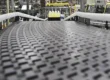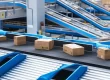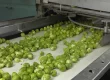


Every production line has its own challenges. Product size, weight, operating temperature, sanitation requirements, and throughput goals all shape the kind of conveyor belt a facility actually needs. When off-the-shelf options fall short, custom modular belts give manufacturers and processors the flexibility to build a conveying solution around their operation instead of forcing their operation to fit a standard belt.
What Makes Modular Belting Different
Modular belts are constructed from interlocking plastic modules joined by hinge rods, rather than a single continuous sheet of material. This design makes them especially practical in environments where maintenance speed and hygiene matter. Individual modules can be removed and replaced on-site without disassembling the entire conveyor, which keeps downtime to a minimum during repairs.
The modular construction also opens the door to customization in ways that traditional flat belts simply cannot match. Modules can be configured in a wide range of surface patterns, from flat top and flush grid to raised rib and perforated designs. Each pattern serves a specific purpose, whether that means improving grip on inclines, allowing airflow or drainage through the belt, or providing a smooth surface for delicate products.
Why Custom Configuration Matters
No two facilities run the same way. A food processing plant handling frozen poultry has very different belt requirements than an automotive parts manufacturer moving stamped metal components down the line. A standard belt might technically fit the conveyor, but it may not perform well under the actual conditions it faces day in and day out.
Custom modular belts are engineered with the specific application in mind. That includes selecting the right polymer for chemical resistance or temperature tolerance, choosing a surface texture that prevents product slippage or sticking, and sizing the belt precisely to the conveyor frame. The result is a belt that performs better, lasts longer, and reduces the total cost of ownership over time.
Industries That Benefit Most
Custom modular belts are a strong fit across a wide range of industries. In food and beverage processing, FDA-compliant materials and open-hinge designs simplify sanitation and help facilities meet strict regulatory standards. In warehousing and logistics, heavy-duty modules can handle the weight and abrasion of packages, totes, and pallets moving at high speeds. For automotive, pharmaceutical, and electronics applications, precision-engineered modules keep sensitive parts stable and damage-free through every stage of production.
The versatility of modular belt systems also makes them well suited for incline and decline conveyors, curved conveyors, and spiral configurations where a traditional belt would struggle with tracking or product retention.
Choosing the Right Partner
Getting the most out of a custom modular belt starts with working alongside a supplier that understands both the product and the application. The right partner will assess your conveyor layout, operating conditions, and production goals before recommending a solution. They will also handle fabrication, installation support, and ongoing service so the belt continues to perform as your needs evolve.
Great Lakes Belting brings decades of experience in designing and fabricating custom modular belt solutions for manufacturers across the Midwest and beyond. From initial consultation through installation and long-term support, our team works closely with yours to deliver a belt that fits your line and your budget.
Get Started on Your Custom Modular Belt
If your current conveyor belt is causing downtime, product damage, or sanitation headaches, a custom modular solution may be exactly what your operation needs. Contact Great Lakes Belting today at 800-545-2358 or visit glbelt.com/contact to request a quote and start the conversation with our engineering team.